(Entrance tickets included)
- 1 January: closed
- 25 March: closed
- 1 May: closed
- Easter Sunday: closed
- 25 December: closed
- 26 December: closed


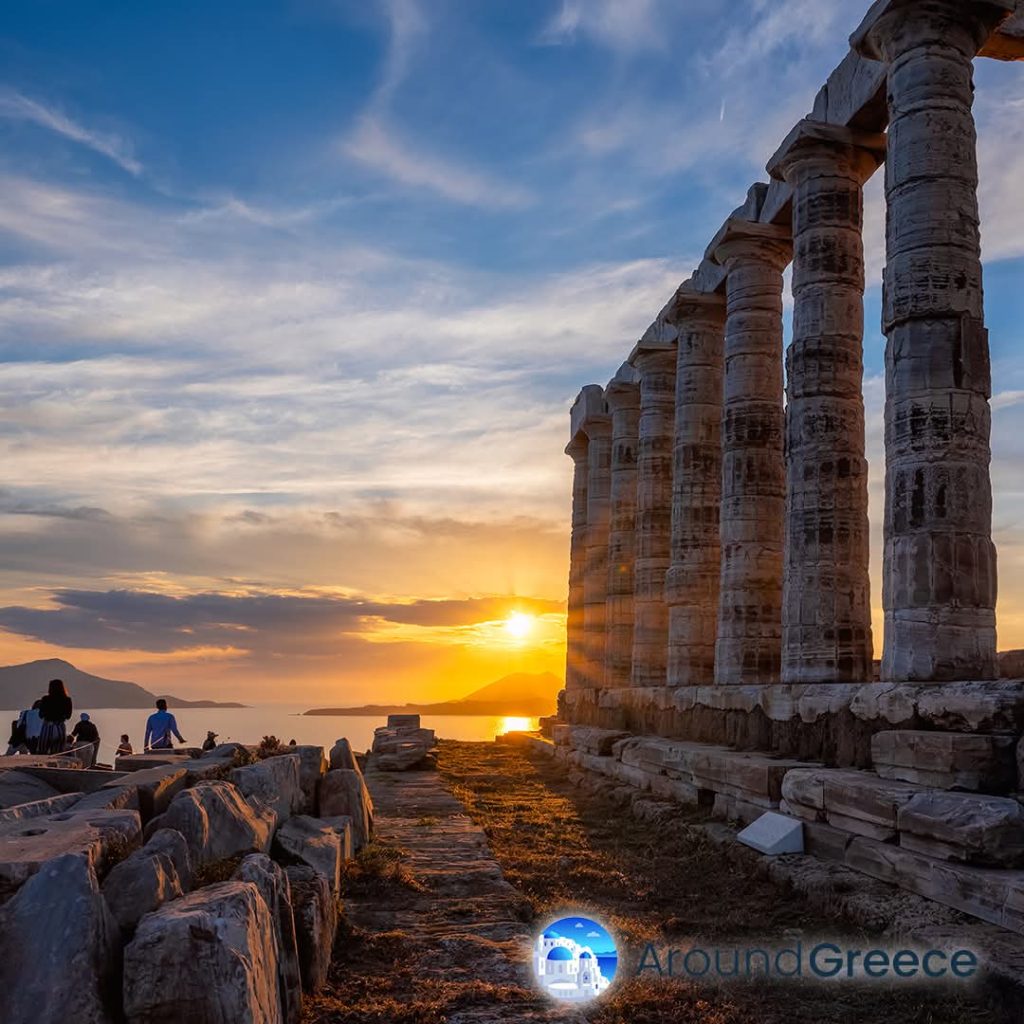
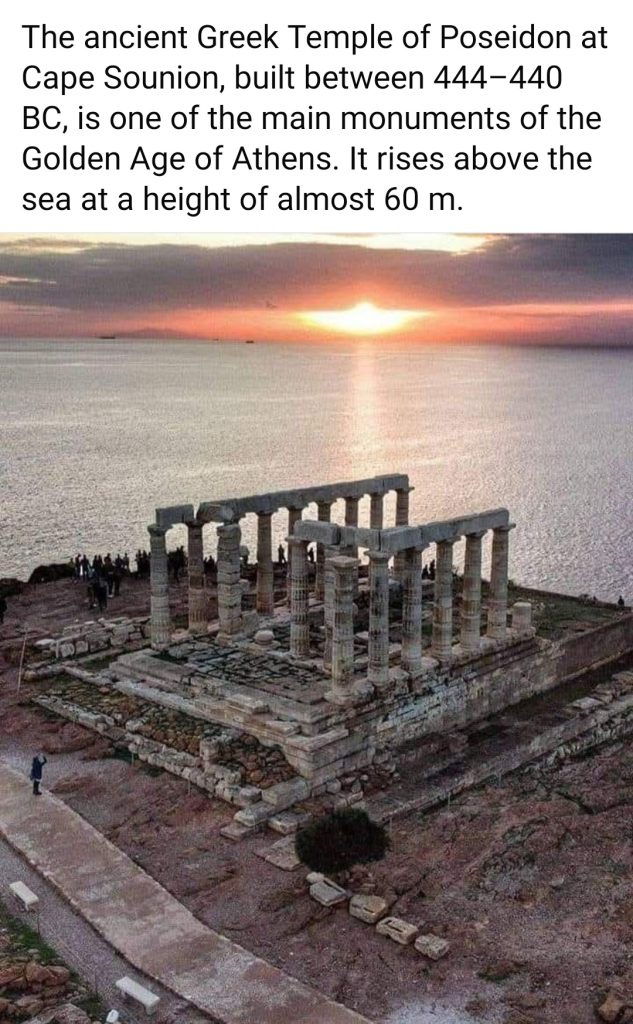
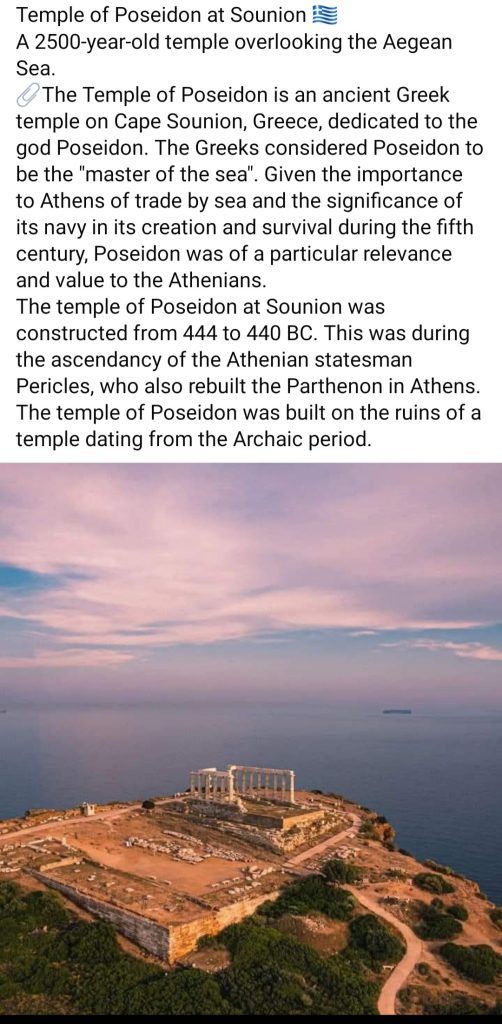
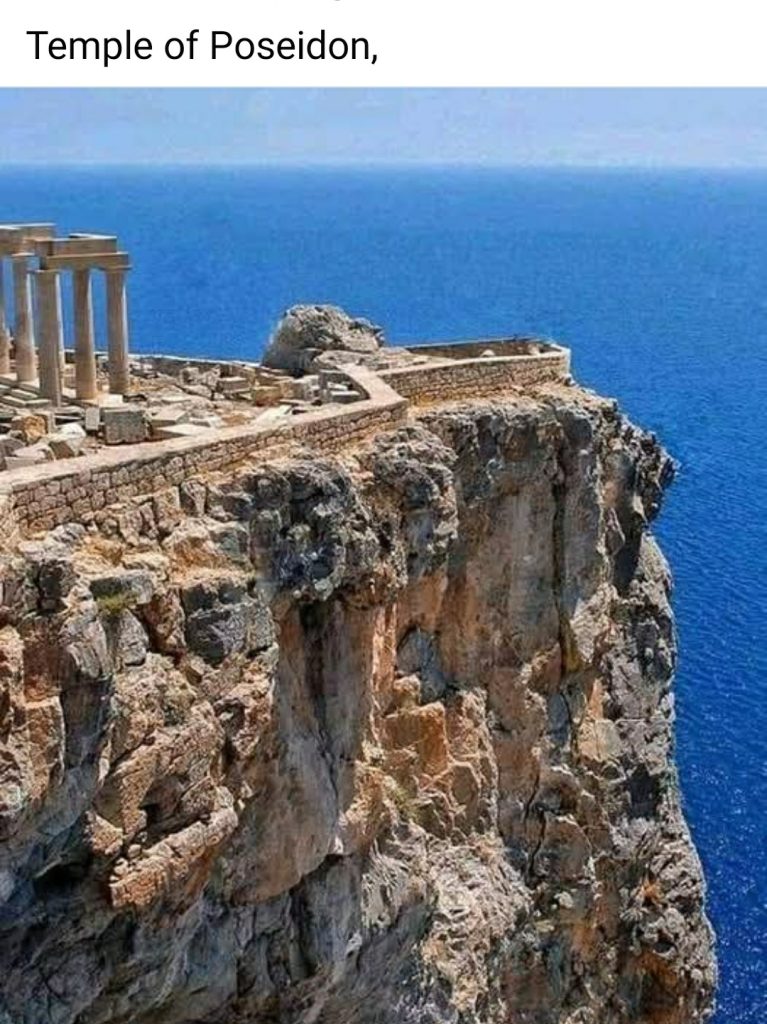
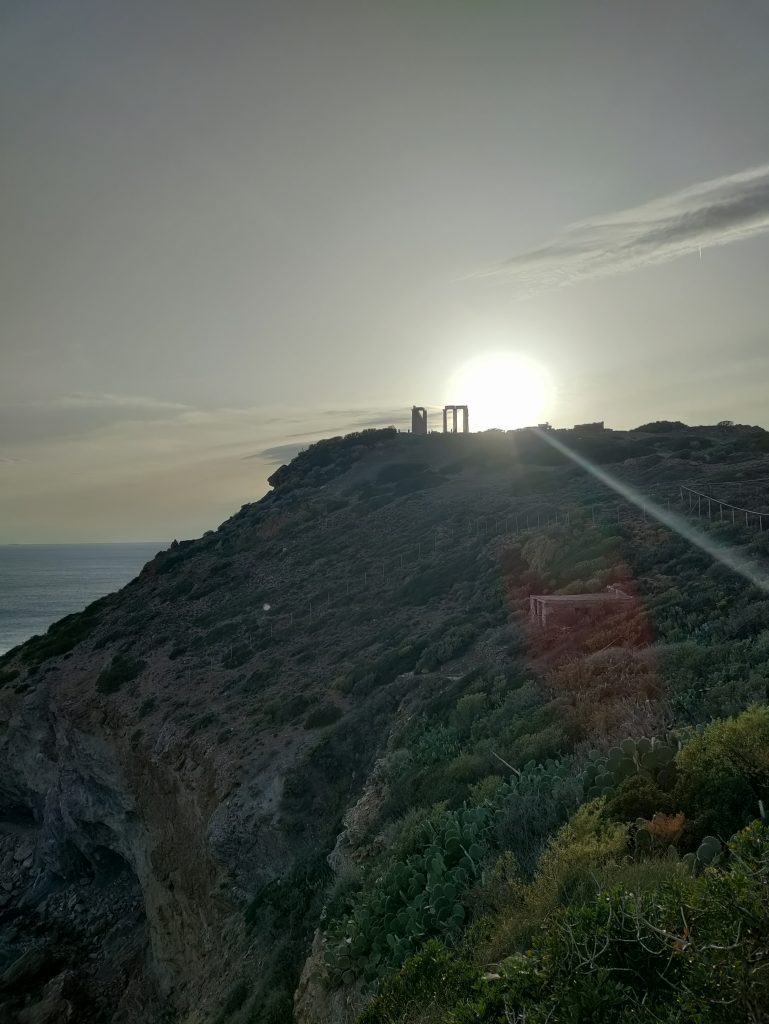
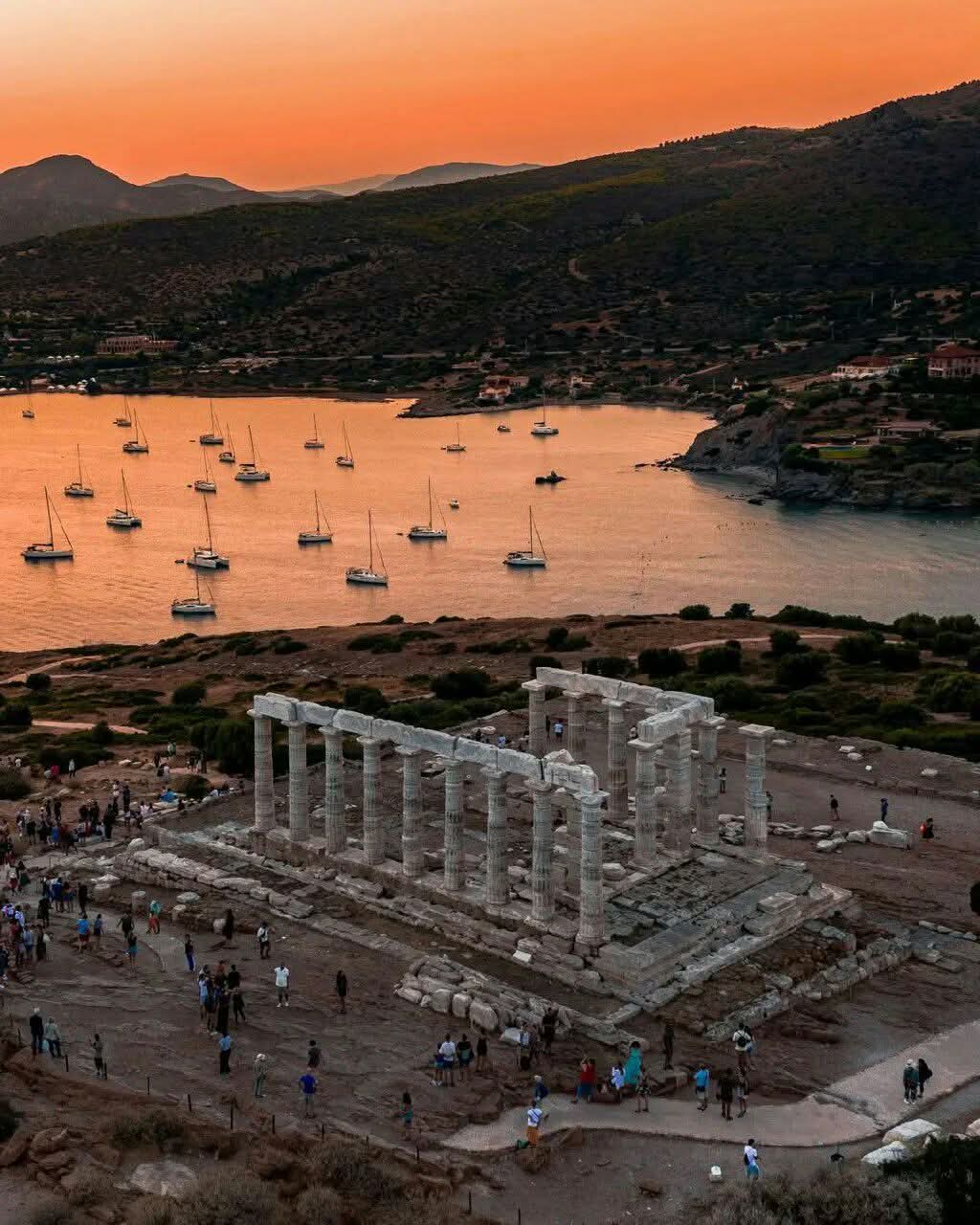
The Temple of Poseidon is an ancient Greek temple on cape Sounio in Greece, dedicated to the god Poseidon. There is evidence of the establishment of sanctuaries on the cape from as early as the 11th century BC. Sounio’s most prominent Temple of Poseidon, is however not believed to have been built until about 700 BC. The curent temple of Poseidon at Sounio was constructed around from 444 to 440 BC. This was during the ascendancy of the Athenian statesman Pericles, who also rebuilt the Parthenon in Athens. The temple of Poseidon was built on the ruins of a temple dating from the Archaic period, conveniently situated for those who are sailing across from Asia to Attica(Athens).
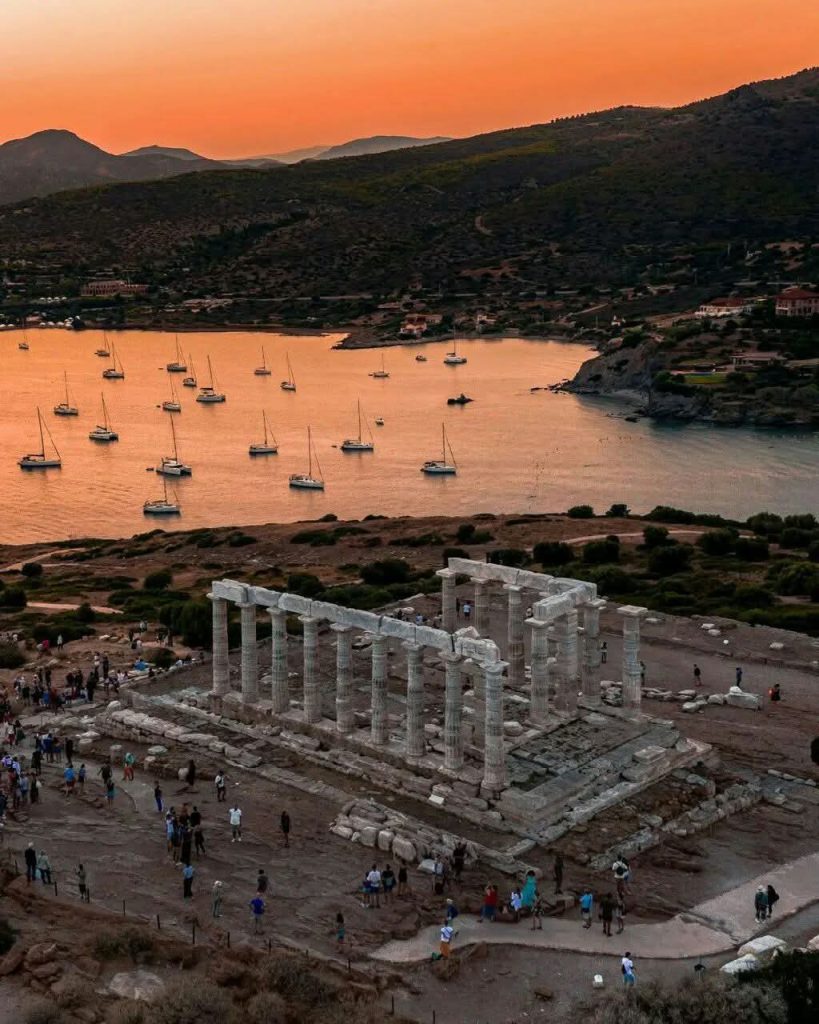
The Greeks considered Poseidon to be the “master of the sea”. Given the importance to Athens of trade by sea and the significance of its navy in its creation and survival during the fifth century, Poseidon was of a particular relevance and approximately 8.1 miles south of Thorikos in the southern most region of Attica, Sounio is most well known for its sanctuarie of Poseidon. Its placement at the foot of Attica allowed it to function as a border stop as it could easily be seen by ships nearing Attica. The original, Archaic-period temple of Poseidon on the site, was probably destroyed in 480 BC by Persian troops during Xerxes I‘s invasion of Greece. Although there is no direct evidence for Sounio, Xerxes certainly had the temple of Athena, and everything else on the Acropolis of Athens, razed as punishment for the Athenians’ defiance. After they defeated Xerxes in the naval Battle of Salamis, the Athenians placed an entire captured enemy trireme (warship with three banks of oars) at Sounio as a trophy dedicated to Poseidon.
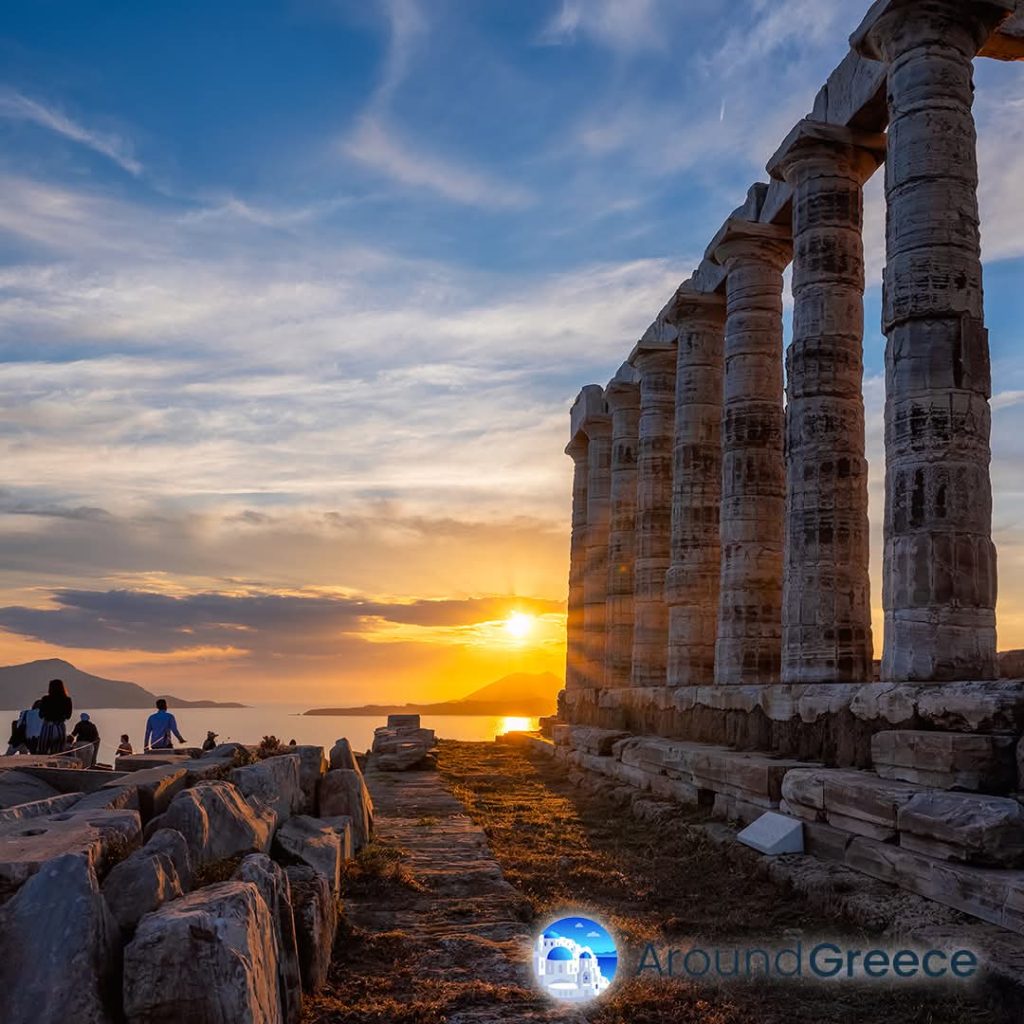
The Greeks often chose temple locations that were physically related to or suggestive of the deity honored in the temples. Peak sanctuaries, for example, were often dedicated to Zeus, the god of the heavens and weather. The choice of location was however also often influenced by practical considerations. According to the authors of Ancient Greece – Temples and Sanctuaries, the decision to build the temple at Sounio is clearly related to the visibility of the sea lanes to and from Piraeus, which provided the first and final vantage points from which incoming and exiting ships could be seen. The Cape of Sounio is found on the coast of the Myrtoan Sea in the southern part of Greece.